
WW Scale User Manual: Comprehensive Guide
Welcome! This manual provides essential guidance for your WW Scale, ensuring optimal use and understanding of its features for a successful wellness journey.
Congratulations on your purchase! The WW Scale represents a commitment to proactive health management and achieving your weight-loss goals. This innovative device isn’t just a weight scale; it’s a comprehensive body analysis tool designed to provide valuable insights into your overall composition.
Whether you choose to utilize its advanced body analysis capabilities or simply employ it as a traditional weight scale, the WW Scale offers a user-friendly experience. This manual serves as your quick-start guide, detailing setup, operation, and troubleshooting to maximize your benefits. Remember to read the entire brochure before first use!
Benefits of Using a WW Scale
Empower your wellness journey with the WW Scale’s multifaceted benefits. Beyond simple weight tracking, gain a deeper understanding of your body composition, including BMI, body fat percentage, muscle mass, and water percentage. This detailed data allows for more informed decisions regarding diet and exercise.
The WW Scale facilitates taking control of your weight and overall health. Its ease of use, coupled with app connectivity for seamless data synchronization, promotes consistent monitoring and motivation. Whether you’re a seasoned WW member or just beginning, this scale is a valuable asset.
Unboxing and Initial Setup
Begin your journey by carefully unpacking your WW Scale. Ensure all components are present – the scale itself and this user manual. Before first use, remove the battery tab located on the back of the scale. Place the scale on a hard, flat surface; avoid carpet or uneven flooring for accurate readings.
Download the WW app to your smartphone or tablet. The app will guide you through the initial setup process, including creating a user profile and connecting your scale via Bluetooth. Following these simple steps will unlock the full potential of your WW Scale.
Understanding Scale Components
Familiarize yourself with your WW Scale’s design. The large, tempered glass platform provides a stable surface for weighing. Electrodes, often metallic strips, are integrated into the platform for body composition analysis. A clear LCD display shows weight and other metrics.
Locate the button(s) used for powering the scale on/off and switching between modes. The battery compartment is typically found on the back. Understanding these components will help you operate and maintain your scale effectively, ensuring accurate and reliable measurements throughout your wellness journey.
Identifying Key Parts of the Scale
Key components include the tempered glass platform, providing a safe and stable weighing surface. Notice the metallic electrode sensors – crucial for body composition analysis in Body Analysis Mode. The LCD screen clearly displays readings, including weight, BMI, and body fat percentage.
Locate the power button, typically on the side or front. The battery compartment resides on the underside. Familiarizing yourself with these parts ensures proper operation and maintenance, maximizing the accuracy and longevity of your WW Scale for consistent tracking of your wellness progress.
Operating Modes: Weight Only vs. Body Analysis
Your WW Scale offers two distinct modes: Weight Only and Body Analysis. Weight Only provides a straightforward weight measurement, ideal for quick checks and simple tracking. Body Analysis unlocks a comprehensive suite of metrics, including BMI, body fat percentage, muscle mass, and water percentage, offering a holistic view of your body composition.
Choosing the right mode depends on your goals. For basic weight monitoring, Weight Only suffices. However, for detailed insights into your progress and overall health, Body Analysis is recommended. Seamlessly switch between modes as needed to tailor your experience.
Weight Only Mode Instructions
Using the scale for basic weight measurement is simple. Ensure the scale is on a hard, flat surface. Step onto the scale with both feet, distributing your weight evenly. The display will illuminate and show your weight after a few seconds. Remember, consistent placement is key for accurate readings.
This mode doesn’t require user profiles or initial setup. It functions as a traditional weight scale, providing immediate results. It’s perfect for those who prefer a quick and uncomplicated weight check. Enjoy the convenience of instant weight feedback with the Weight Only mode!
Using the Scale for Basic Weight Measurement
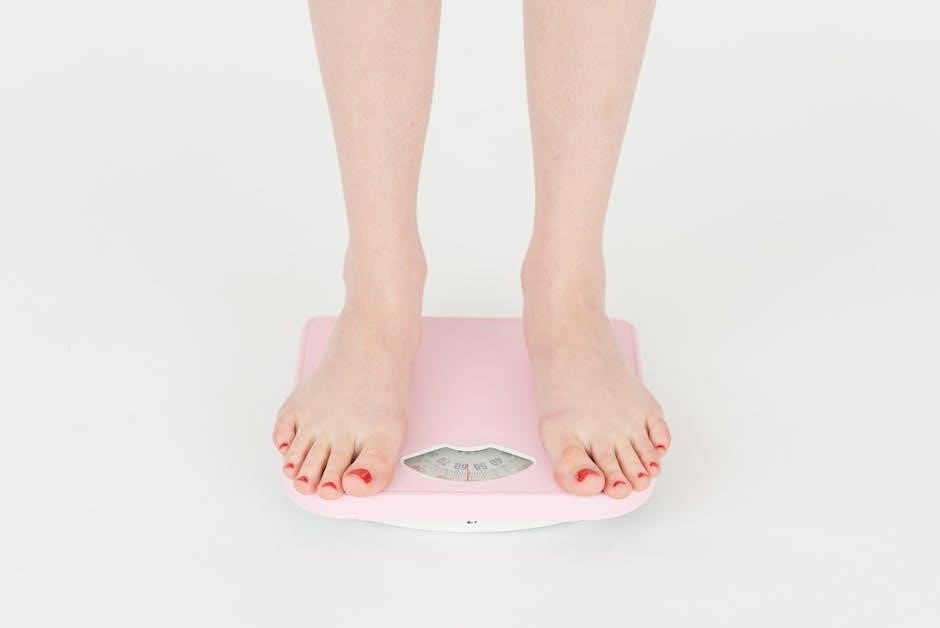
To begin, place the WW Scale on a firm, level surface – carpet can affect accuracy. Step onto the center of the platform with your feet evenly spaced. Allow a moment for the display to stabilize; it will show your weight in the selected unit (lbs or kg).
Avoid sudden movements while weighing. For consistent results, weigh yourself at the same time each day, wearing similar clothing. This mode offers a straightforward weight reading without requiring profile setup or body analysis features. It’s ideal for quick, daily weight checks!
Body Analysis Mode Setup
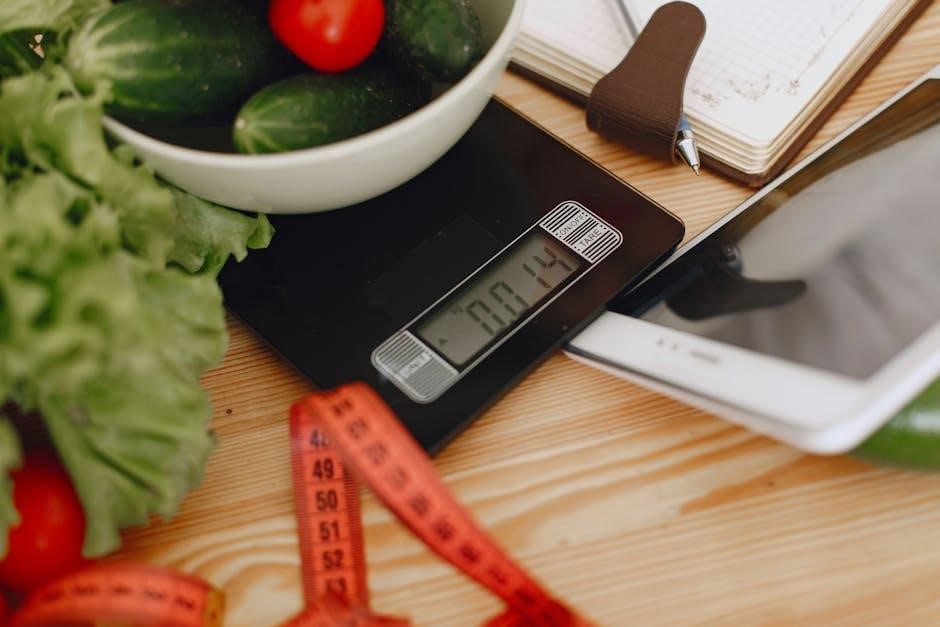
Unlock deeper insights into your health with the Body Analysis Mode! This requires initial configuration and creating a personal user profile within the WW app. Ensure your scale is connected via Bluetooth for seamless data transfer.
The app will guide you through entering details like age, gender, height, and weight. Accurate information is crucial for precise body composition analysis. Once your profile is established, the scale will calculate metrics beyond weight, providing a comprehensive overview of your body’s composition. Prepare to track your progress effectively!
Initial Configuration and User Profile Creation
Begin by downloading the WW app and creating an account, or logging into an existing one. Once logged in, navigate to the “Devices” section and select “Add Scale.” The app will then prompt you to pair your WW Scale via Bluetooth.
Next, you’ll create a user profile, inputting essential details like age, gender, height, and current weight. Accuracy here is paramount for reliable body composition readings. You can also add multiple user profiles, allowing each household member to track their individual progress. Save your profile to start!
Calibration and Accuracy
Maintaining accuracy is crucial for reliable data. While your WW Scale is pre-calibrated, periodic calibration ensures optimal performance. Place the scale on a hard, level surface. Avoid carpets or uneven flooring. To calibrate, follow the instructions within the WW app – typically involving a brief weight measurement process.
Consistent placement is key. Always use the same spot for measurements. Ensure your feet are positioned correctly on the electrodes for body analysis readings. Regularly check for software updates within the app, as these often include calibration improvements.
Steps for Calibrating Your WW Scale
Begin by ensuring the scale is on a hard, level surface. Open the WW app and navigate to the “Scale Settings” or “Calibration” section. The app will guide you through the process, typically requesting a weight measurement. Step onto the scale as you normally would for a reading.
The app will then compare this reading to its internal standards and adjust accordingly. Repeat if prompted. A successful calibration will be confirmed within the app. If issues persist, ensure the scale’s batteries are fresh and retry the process.
Understanding Body Composition Metrics
Your WW Scale provides insights beyond just weight, offering a comprehensive body composition analysis. Weight is the fundamental measure, while BMI (Body Mass Index) assesses weight relative to height. Body Fat Percentage estimates the proportion of fat mass, and Muscle Mass indicates lean body tissue.
Water Percentage reveals hydration levels, crucial for overall health. These metrics, when tracked consistently, offer a more holistic view of your progress than weight alone, aiding in informed wellness decisions and goal setting.
Weight, BMI, Body Fat Percentage, Muscle Mass, Water Percentage

Weight, measured in kilograms or pounds, is your total mass. BMI calculates body fat based on height and weight, categorizing individuals as underweight, normal, overweight, or obese. Body Fat Percentage estimates fat mass, impacting health risks. Muscle Mass reflects lean tissue, vital for metabolism and strength.
Water Percentage indicates hydration levels, influencing bodily functions. Understanding these metrics collectively provides a detailed picture of body composition, enabling targeted adjustments to diet and exercise for optimal wellness.
Unit Conversion (lbs/kg)
Flexibility is key! Your WW Scale allows seamless switching between weight units – pounds (lbs) and kilograms (kg) – to suit your preference. This conversion is crucial for users accustomed to different measurement systems. The scale’s display will clearly indicate the currently selected unit.
To change the unit, typically a button press within the settings menu will toggle between lbs and kg. Ensure the correct unit is selected before each measurement for accurate tracking and consistent data analysis within the WW app.
Switching Between Weight Units
Effortless customization! To switch between pounds (lbs) and kilograms (kg) on your WW Scale, locate the ‘Unit’ button – often found on the scale’s underside or within the settings menu. A single press typically toggles the display between the two units.
Confirm the desired unit is illuminated or displayed before stepping onto the scale. Accurate weight tracking relies on consistent unit selection. Remember to synchronize your scale with the WW app after changing units to ensure data alignment and prevent discrepancies in your progress reports.
Troubleshooting Common Issues
Addressing scale hiccups! Encountering issues? Inaccurate readings often stem from uneven surfaces – ensure the scale rests on a hard, level floor. Error messages usually indicate low batteries or connectivity problems; replace batteries or re-sync with the WW app.
If the scale won’t power on, double-check battery installation. For persistent problems, recalibrate the scale following the instructions in the manual. Consistent issues may require contacting WW support for assistance, providing your scale’s model number for efficient troubleshooting.
Addressing Error Messages and Inaccurate Readings
Decoding the display! Error codes signal specific problems – consult the manual for a complete list and solutions. Inaccurate readings frequently arise from improper placement; verify the scale is on a firm, flat surface, away from carpets or uneven flooring.
Low battery power can also cause erratic results. Ensure fresh batteries are installed. If issues persist, recalibrate the scale. Consistent inaccuracies warrant contacting WW support, detailing the error message and steps already taken for faster resolution.
Data Synchronization and App Connectivity
Seamless tracking! Connecting your WW Scale to the WW app unlocks powerful data analysis and progress monitoring. Download the WW app and enable Bluetooth on your smartphone. Follow the in-app instructions to pair your scale – the process is generally straightforward and user-friendly.
Once connected, weight and body composition data will automatically sync, providing a comprehensive view of your wellness journey. Ensure Bluetooth remains enabled for continuous synchronization. Troubleshooting connectivity issues? Restart both the scale and your phone, and verify app permissions.
Connecting the Scale to the WW App
Pairing is simple! Begin by downloading and installing the latest version of the WW app on your iOS or Android device. Ensure Bluetooth is activated on your smartphone. Open the WW app and navigate to the “Devices” or “Connect Scale” section within the settings.
The app will search for nearby Bluetooth devices. Select your WW Scale from the list. You may be prompted to enter a pairing code (usually found on the scale’s packaging or within the battery compartment). Follow the on-screen prompts to complete the connection process.
Battery Replacement and Maintenance

Powering your scale is easy! Your WW Scale requires batteries for operation. When the display shows a low battery indicator, replace all batteries simultaneously with fresh ones of the correct type (typically AAA). Open the battery compartment located on the scale’s underside. Dispose of used batteries responsibly, following local regulations.
To maintain accuracy, keep the scale surface clean and dry. Avoid using abrasive cleaners. Regularly check for loose screws or damage. Store the scale in a cool, dry place when not in use to prolong its lifespan.
Proper Battery Handling and Scale Cleaning
Battery safety is paramount! Always insert batteries with the correct polarity, as indicated inside the battery compartment. Do not mix old and new batteries, or different types of batteries. Remove batteries if the scale will not be used for an extended period to prevent leakage.
For cleaning, gently wipe the scale’s surface with a slightly damp cloth. Never immerse the scale in water or use harsh chemicals. Ensure the scale is completely dry before use. Regular cleaning maintains hygiene and ensures accurate readings.
Safety Precautions
Prioritize your well-being! This scale is intended for household use only and should not be used for medical purposes. Consult your doctor for any health concerns. Do not allow children to use the scale unsupervised. Avoid stepping onto the scale with wet feet, as this may cause slipping.
Handle with care! Do not drop or disassemble the scale. If the glass breaks, handle the pieces carefully to avoid injury. Ensure the scale is placed on a hard, level surface before use. Avoid extreme temperatures and humidity.
Important Safety Guidelines for Scale Usage
User safety is paramount! Always inspect the scale for any visible damage before each use. Do not step onto the scale if it appears cracked or faulty. Individuals with pacemakers or other implanted medical devices should consult their physician before using this body analysis scale.
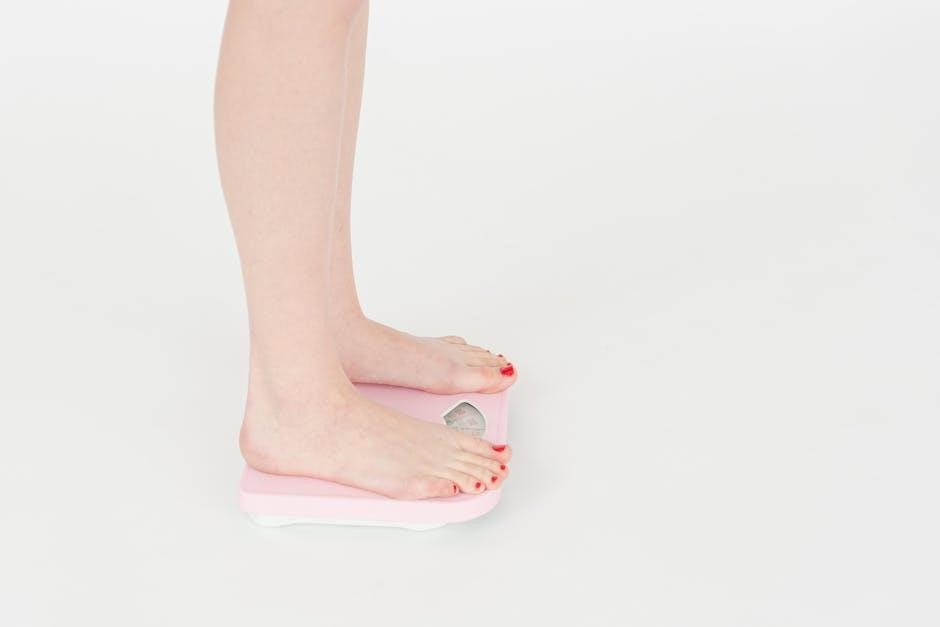
Preventing inaccurate readings and injury! Ensure the scale is stable and on a level surface. Avoid sudden movements while weighing. Do not exceed the maximum weight capacity of the scale. Keep the scale clean and dry to maintain accuracy and prevent electrical hazards.
Downloading User Manuals and Specifications
Enhance your WW Scale experience! Access a comprehensive library of resources online to fully utilize your scale’s capabilities. Download detailed PDF user manuals for in-depth instructions and troubleshooting assistance. Explore operating guides to understand each function and feature effectively.
Find essential details! Service manuals are also available, providing technical specifications and maintenance information. Visit the official Weight Watchers support website to access these valuable resources. Download 18 Weight Watchers Scales PDF manuals for complete guidance and support.

Accessing PDF Manuals and Support Resources
Locate your WW Scale’s documentation easily! Visit the official Weight Watchers website and navigate to the support section dedicated to scales. There, you’ll find a downloadable library of PDF user manuals tailored to your specific model. These manuals offer detailed instructions, troubleshooting tips, and answers to frequently asked questions.
Get further assistance! Explore additional support resources, including online FAQs, video tutorials, and contact information for customer service. Ensure you have the latest version of the manual for optimal performance and feature understanding.