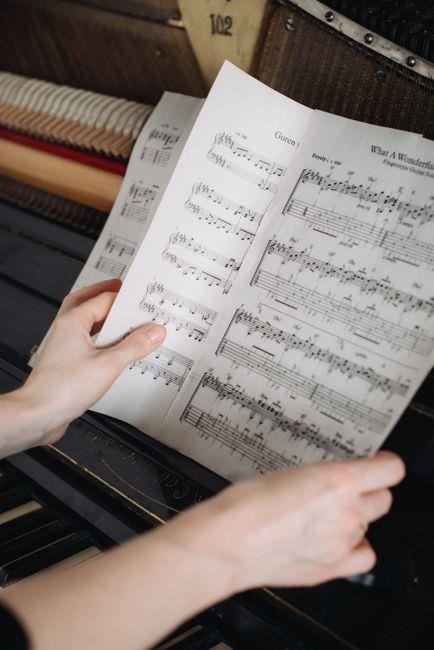
This PDF offers a comprehensive, user‑friendly format for the beloved Advent hymn “O Come, O Come Emmanuel.” It combines clear lyrics, musical notation, and elegant design, enabling easy access for singers, teachers, and worship leaders worldwide. Ideal for planning. and study. Enjoy.!!
1.1 Purpose of the Article and Scope
The purpose of this article is to guide users through the creation, distribution, and practical application of a high‑quality PDF version of the classic Advent hymn “O Come, O Come Emmanuel.” By outlining the steps required to assemble a faithful, multi‑format document, the article serves as a reference for musicians, clergy, educators, and digital publishers who wish to preserve the hymn’s lyrical integrity while ensuring accessibility across devices. The scope covers the selection of source material, the conversion process from manuscript or scanned copies into a searchable PDF, the inclusion of musical notation and chord charts, and the design choices that balance readability with visual appeal. Additionally, the article examines legal considerations such as copyright status, public‑domain eligibility, and licensing options that affect distribution rights. Finally, it offers practical tips for embedding metadata, creating interactive links, and optimizing file size for web hosting or email attachment. The goal is to empower readers to produce a reliable, shareable PDF that can be printed, displayed on screens, or incorporated into digital worship platforms with minimal technical barriers.
Readers will find practical examples of how to embed hyperlinks to related resources, how to use bookmarks for quick navigation, and how to set up a PDF for both print‑ready and on‑screen use. The guide also discusses best practices for color contrast and font selection. selection. for clarity. and

Where to Find the PDF
2.1 Official Church Resources
Many established churches host official hymn repositories that offer the “O Come, O Come Emmanuel” PDF for free or with a nominal fee. The Catholic Church’s “Hymnary.org” portal provides a searchable database, while the Anglican Communion’s “Church Hymnary” site hosts PDFs aligned with the Common Worship collection. Lutheran churches often publish PDFs through the Lutheran Service Book portal, and the Eastern Orthodox community offers the hymn in its “Orthodox Hymn Book” digital archive. These resources typically include the full Latin text, English translation, and the corresponding musical score, ensuring that clergy and musicians can prepare services with confidence. Access is usually granted via a simple web form or a direct download link, and many sites provide a preview to verify the layout before downloading. For those who prefer a mobile experience, several church apps now bundle hymn PDFs, allowing offline use during rehearsals or personal devotion. When using these official channels, users should verify the copyright status, as some editions may still be under protection, especially those that include modern arrangements or new translations. By relying on the church’s own digital libraries, worship leaders can be assured of authenticity and compliance with denominational standards, which is essential for maintaining liturgical integrity during Advent celebrations. In addition, many official sites offer a “request for use” feature that allows churches to obtain higher‑resolution files for large‑format printing or digital projection. Some denominational archives also provide a “download history” log, which helps administrators track usage and ensure that the material is not distributed beyond the intended audience. For international congregations, the PDF files are often available in multiple languages, including German, French, Spanish, and Italian, making it easier to serve diverse communities. The PDF format itself is chosen for its portability and fidelity; it preserves the original typography, musical notation, and layout regardless of the device used. Finally, many churches encourage their members to contribute to the digital archive by uploading scanned copies of older hymnals, thereby enriching the repository and preserving cultural heritage for future generations.!!!
2.2 Public Domain and Creative Commons Options
For those seeking freely usable versions of “O Come, O Come Emmanuel,” public‑domain repositories and Creative Commons‑licensed sites offer a wealth of downloadable PDFs. The text of the hymn, originally composed in the 16th century, entered the public domain long ago, allowing modern editors to publish new arrangements without licensing fees. Sites such as Project Gutenberg, Internet Archive, and Hymnary.org host multiple editions, each featuring different translations and musical settings. Users can filter by language, meter, or musical key, ensuring that the chosen PDF fits the specific needs of a choir or worship service. Creative Commons licenses—especially those marked “CC‑BY” or “CC‑BY‑SA”—permit adaptation and redistribution, provided attribution is given. Many contemporary hymn writers have released their own arrangements of the classic text under these licenses, offering fresh harmonizations or rhythmic variations that appeal to modern congregations. When downloading from these platforms, it is advisable to verify the license details on the file’s metadata page; some files may carry a “non‑commercial” restriction, limiting use to private study or non‑profit worship settings. Additionally, the Creative Commons community often provides a “share‑alike” clause, encouraging users to contribute back improved versions or new translations. By engaging open‑source resources, and for keep hymnals.!!!

Anatomy of the PDF File
The PDF showcases clear lyrics, musical notation, and a clean layout. Each page contains the hymn’s verses, chord symbols, and a design for easy reading. The file is optimized for printing and digital use alike The file supports languages and includes a footer with info. for users today daily now!!
3.1 Textual Translations and Lyrics
The PDF presents the hymn’s text in multiple languages, ensuring accessibility for diverse congregations; Each version is carefully transcribed from authoritative sources, preserving the original meter and rhyme scheme. The English rendition follows the traditional Latin text, while the German, French, and Spanish translations maintain lyrical fidelity. The layout features clear, legible fonts, with each stanza separated by ample spacing for easy reading during rehearsals or services. Additionally, the file includes footnotes that explain archaic phrasing and provide historical context, allowing educators to discuss the evolution of the text. For those who prefer a more modern approach, an optional contemporary English translation is available, offering a fresh perspective while retaining the hymn’s solemn tone. The PDF’s design also accommodates bilingual displays, enabling simultaneous presentation of two language versions side by side. This dual‑language format supports language learning and enhances the worship experience for multilingual communities. Users can toggle between translations by selecting the appropriate page set, ensuring smooth navigation. The document’s metadata contains language tags and version history, facilitating easy search and retrieval in digital libraries. By offering a collection of translations, the PDF serves as a resource for choir leaders and educators to present “O Come, O Come Emmanuel” in an inclusive manner..;.

3.2 Musical Score and Chords
The PDF contains a full‑score edition of the hymn, rendered in standard staff notation with precise rhythmic values and dynamic markings. Each movement is divided into verses, choruses, and an instrumental interlude, allowing conductors to identify key changes and tempo shifts. The treble clef lines feature the main vocal part, while the bass clef provides harmonic support. Chord symbols are placed above the staff, using Roman numerals for the key of G major, and include optional figured bass for advanced ensembles. The score is annotated with performance notes, such as “soft” for the first refrain and “forte” for the climactic chorus, ensuring expressive fidelity. Additionally, the PDF offers a simplified arrangement for beginners, with a single‑stave version that highlights the melody and essential harmonies. This version omits the full accompaniment, making it ideal for small groups or solo practice. For instrumentalists, the PDF includes separate parts for piano, organ, and choir, each with clear key signatures and tempo indications. The chord chart is presented in a compact table format, listing chord progressions for each stanza, which can be used for rehearsal or accompaniment. Musicians can export the PDF to music notation software for editing and transcribe!! The file contains a MIDI export option for playback with realistic sounds. This musical package supports liturgical use and academic study, bridging tradition and modern practice.
3.3 Visual Design and Layout Features
The PDF showcases a clean, modern aesthetic that respects the hymn’s solemn heritage. A serif typeface, chosen for its readability, frames the lyrics in a two‑column layout that mirrors traditional hymnals. The left column holds the text, while the right column displays the musical staff, allowing simultaneous reading of words and notation. Subtle, muted gold accents outline section headings, creating visual hierarchy without distracting from the content. Margins are generous, providing breathing space for annotations or personal notes. The cover page features a stylized icon of a shepherd’s staff, symbolizing guidance, set against a deep blue background that evokes twilight. Page numbers appear discreetly in the footer, using a smaller font to maintain focus on the material. The PDF is optimized for both screen and print: high‑resolution vector graphics ensure crisp lines at any zoom level, and the file size remains under 5 MB for quick download. Interactive elements such as clickable links to the next verse or a “play” button for the MIDI playback are embedded, enhancing user engagement. In print mode, the design retains its fidelity, with bleed settings that prevent white borders. Overall, the visual design balances tradition with accessibility, making the PDF a practical resource for worship leaders, choir directors, and music students alike. Moreover, the PDF offers a built‑in search function, enabling quick navigation to specific verses or musical passages, which is useful during rehearsals or multi‑service planning. All elements are searchable and printable all. Enjoy!

Practical Use Cases for Worship
This PDF serves as a versatile tool for worship leaders, allowing quick setup of service programs, seamless choir rehearsals, and engaging congregational participation. Its clear layout supports real‑time singing and easy navigation during services. Its flexibility aids large services. daily!
4.1 Preparing a Service Program
Using the “O Come, O Come Emmanuel” PDF, worship planners can assemble a polished program in minutes. Begin by selecting the desired language version—English, German, or Latin—then copy the lyric block into the program layout. Align the text with the choir’s vocal range, ensuring each stanza’s key matches the congregation’s comfort level. The PDF’s built‑in chord symbols allow instant transposition; simply adjust the key signature and the chords will shift automatically, saving time during rehearsal.
Next, insert the musical score. The PDF offers a full staff with precise notation, which can be printed on separate sheets for the choir or embedded in the program as a small thumbnail. This dual approach keeps the program concise while providing detailed guidance for musicians. Add a brief introduction or historical note in italics to enrich the worship experience.
Finally, proofread for consistency: verify that all page numbers, footnotes, and hymn titles match the rest of the service booklet. Once finalized, export the program as a PDF or print it directly from the file. The result is a cohesive, professional program that enhances the worship flow and invites deeper participation.
- Choose language version.
- Copy lyrics.
- Adjust key.
- Insert score.
- Add notes.
- Proofread.
- Export.
For accessibility, include a large‑print version of the lyrics and a separate sheet with chord diagrams. This ensures all attendees can follow along, regardless of visual acuity or musical training.
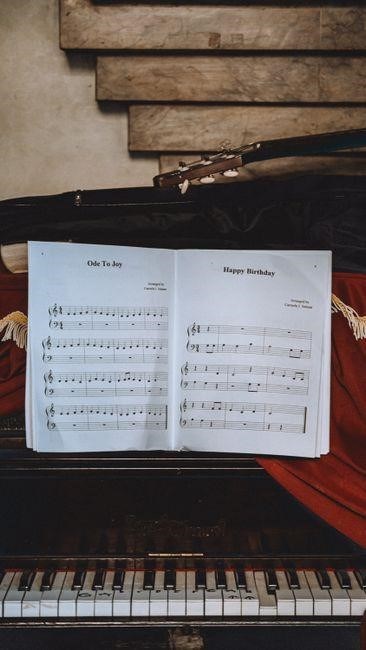
Consider integrating the PDF into a digital display system. By exporting the program as a high‑resolution image, the choir director can project the lyrics and chords on a screen, allowing real‑time adjustments during the service. This dynamic approach keeps the congregation engaged and reduces the need for printed copies.
When coordinating with other ministries, share the PDF file via a shared drive or cloud service. Label the file clearly—e.g., “O Come Emmanuel – Service Program – Advent 2026”—to avoid confusion. This practice streamlines collaboration and ensures everyone works from the same source.
4.2 Teaching Choir and Congregation
Begin by reviewing the PDF’s lyric sheet, noting each stanza’s meter and melodic contour. Use the chord symbols to demonstrate harmonic structure, encouraging singers to listen for voice leading and cadential resolution. Divide the choir into sections—soprano, alto, tenor, bass—and assign each part a color in the PDF for quick reference.
In rehearsal, project the PDF onto a screen and walk through the piece line by line. Highlight the “O come, O come” refrain, explaining its theological significance and how it frames the Advent narrative. Encourage the congregation to repeat the refrain aloud, fostering a sense of unity and anticipation.
For vocal technique, focus on breath support during the long “O” syllables and dynamic contrast between the soft “come” and the emphatic “Emmanuel.” Use the PDF’s dynamic markings to illustrate crescendos and decrescendos, ensuring the choir’s phrasing aligns with the text’s emotional arc.

After the choir is comfortable, invite the congregation to sing the refrain in unison. Provide a simplified chord chart on the back of the PDF for those who wish to accompany on piano or guitar. This inclusive approach deepens communal worship and reinforces the hymn’s message.

Finally, document the session by recording a short video of the choir practicing the PDF. Share the clip with the congregation online, encouraging them to practice at home. This resource extends learning beyond church walls, fostering connection to hymn’s timeless call.

Final Thoughts and Further Exploration
Explore additional hymn collections, study historical contexts, and share your insights with fellow worship leaders. The PDF format invites creative adaptations, fostering deeper engagement and enriching the Advent experience for all participants. Download PDF, practice, and let it inspire community.!!
5.1 Additional Hymn Collections and Resources
Beyond the classic PDF of “O Come, O Come Emmanuel,” a wealth of hymn compilations deepens your worship repertoire. Digital libraries such as Hymnary.org host thousands of hymns, offering lyric PDFs and chord sheets. Many churches use ChurchBook or SongSelect for searchable databases and choir plans.
For those seeking traditional collections, the American Hymnal and the English Hymnal remain staples, each available in PDF form through the National Library of Medicine’s digital repository. The Carillon series offers a curated selection of Advent hymns, complete with Gregorian chant transcriptions and modern harmonizations. If you prefer open‑source material, the Public Domain Project offers downloadable PDF scores that can be adapted for small ensembles or solo performances.
Educational resources are equally abundant. The Hymnology Society publishes scholarly articles and annotated editions that explore the theological nuances of each hymn. Many universities host digital collections, such as the British Library’s digitized hymnals, which can be accessed via the Digital Library Initiative. Additionally, online forums like Reddit’s r/hymns and Discord’s Hymnology channel provide community support, performance tips, and shared arrangements. Explore more at your local library. for free.